



Search
Your PSM Program Looks Good on Paper. Does It Work in the Field?

You have the procedures.
Your PHA has been completed. Your Process Safety Information is organized. Your Management of Change procedure is documented. Training records are on file.
On paper, the PSM program looks solid.
But here’s the question to consider: does what’s written down match what’s actually happening in the facility?
That disconnect is where otherwise well-developed Process Safety Management programs can begin to break down.
Stonehouse’s PSM assessments look beyond the existence of written programs to evaluate current practices and conditions across areas including Process Safety Information (PSI), PHAs, operating procedures, training, PSSR, Mechanical Integrity, Management of Change, incident investigation, emergency planning, and compliance audits.
Your P&IDs Say One Thing. The Field Says Another.
A process rarely stays exactly as it was originally designed.
Equipment gets replaced. Piping is rerouted. Instruments are added. Raw materials change. Production increases. Operating practices evolve.
These individual changes may seem minor. But over time, the documentation describing the process can drift away from the process that actually exists.
That’s why current Process Safety Information (PSI) is so important. PHAs, procedures, training, and future engineering decisions all depend on having an accurate understanding of the process.
If the underlying information is wrong, even a well-executed analysis can start from the wrong assumptions.
Your MOC Procedure Exists. Is It Being Used?
Management of Change is another area where the difference between the written program and field practice becomes especially important.
The question isn’t simply whether your company has an MOC procedure.
It’s whether people recognize what constitutes a change and then consistently initiate the MOC process before that change is implemented.
New equipment is a more obvious example. However, changes in materials, suppliers, operating conditions, production rates, procedures, controls, safety systems, or even seemingly small equipment modifications can introduce hazards that weren’t considered previously.
Stonehouse’s own project work reflects this principle: changes can trigger the need to revisit hazard analyses, operating procedures, training, testing, area classifications, or fire and explosion protection before equipment is placed into service.
What Happened to the PHA Recommendations?
Completing the PHA meeting is not the end of the process.
Recommendations have to move from the PHA report into the facility’s actual risk-management activities.
Are they assigned to someone? Are target dates established? Are they being closed? If a recommendation isn’t accepted, is the rationale documented and technically sound?
And perhaps most importantly: did the change made in response to the recommendation actually address the underlying hazard?
A recommendation tracker with plenty of green boxes doesn’t necessarily tell you that.
Your Procedures Are Current. Do Operators Actually Use Them?
A written procedure may technically exist while no longer reflecting how the job is performed.
Operators and maintenance personnel often know where these discrepancies are long before anyone else does.
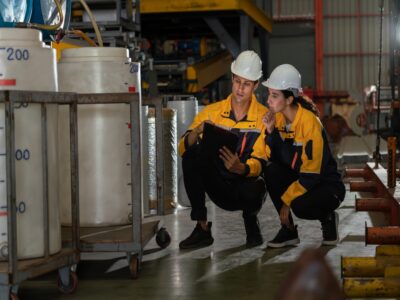
That’s one reason field discussions and process walkthroughs are so valuable during a PSM assessment. Stonehouse typically combines documentation review with discussions involving EHS, operations, engineering, maintenance, management, and other relevant functions, along with a walkthrough of applicable process areas.
Ask the person doing the work to walk through the procedure. You may learn more in 15 minutes than you would from simply confirming that the document has the correct revision date.
Your Training Records Are Complete. Did the Training Work?
A completed training record demonstrates that training occurred.
It doesn’t necessarily demonstrate competency.
Employees need to understand not only what the procedure says, but also why critical steps, limits, alarms, interlocks, and safeguards matter.
When a procedure changes, the question should extend beyond, “Did we update the document?”
It should include, “Who needs to know about this change, and how do we know they understand it?”
Test the Program Where It Matters
An effective PSM program should connect the documentation in the office with the equipment, people, and practices in the field.
One useful exercise is to choose a process and follow the thread:
- Does the P&ID match the equipment?
- Does the operating procedure match the P&ID?
- Was the last change captured through MOC? Did the PHA evaluate the current configuration?
- Were affected employees trained?
- Are the safeguards being inspected and maintained?
If the answers start to diverge, you’ve probably found an area worth a closer look.
From Compliance Program to Working System
A good PSM program isn’t static documentation assembled for the next audit.
It’s a living system for managing changes, maintaining safeguards, learning from experience, and making sure the facility continues to operate within the basis on which its risks were evaluated.
The real test isn’t whether the program looks complete on paper. It’s whether it works when you walk into the plant.
Stonehouse provides PSM gap assessments, compliance audits, PHAs, training, and program-development support to help facilities identify where written programs and actual practices may have drifted apart.
Start Your PSM Program with Stonehouse Today
Ready to take the next step? Our process safety experts are here to support you—from compliance reviews to complete program design.
Contact Stonehouse Process Safety to book your free initial consultation.

Get in touch
To learn more about our expertise and services in dust explosion prevention & mitigation, call us at +1 609 455 0001 or email us at [email protected] today.
We also offer tailored virtual and in-company process safety training programs on Dust Explosions, Static Electricity and HAC (Hazardous Area Classification) and more. Find further information here.