








Stonehouse Process Hazard Analysis (PHA) Consulting Services
Stonehouse Process Safety provides comprehensive Process Hazard Analysis (PHA) consulting services to help organizations identify, evaluate, and manage hazards associated with industrial processes. Our experienced process safety specialists work with facilities at every stage of operation, from initial process design through ongoing operations and periodic reassessments.
Stonehouse PHA Services
Initial Process Hazard Analyses
We conduct comprehensive PHAs to systematically identify potential process hazards, evaluate existing safeguards, and develop practical recommendations for reducing risk. These studies can support new facilities, existing operations, and compliance with applicable process safety regulations.
PHA Revalidations
For processes covered by OSHA’s Process Safety Management (PSM) standard, PHAs must be updated and revalidated at least every five years. Stonehouse conducts PHA revalidations to evaluate changes in processes, equipment, operating procedures, and safeguards, ensuring that previous assessments remain accurate and relevant.
HAZOP Studies
Our specialists facilitate Hazard and Operability (HAZOP) studies to systematically evaluate how deviations from intended operating conditions could lead to hazardous situations. HAZOP is particularly valuable for complex chemical processes and operations involving interconnected systems, equipment, and instrumentation.
What-If and What-If/Checklist Analyses
Stonehouse conducts structured What-If and What-If/Checklist studies to identify potential failure scenarios, assess existing safeguards, and develop recommendations. These flexible methodologies can be particularly effective for processes where a full HAZOP may not be necessary.
Independent PHA Facilitation and Technical Support
Our consultants serve as independent PHA facilitators, guiding multidisciplinary teams through a structured evaluation of process hazards. We also provide subject matter expertise in fire, explosion, electrostatic, and chemical reactivity hazards to support internally led studies.
PHA Reviews and Gap Assessments
Stonehouse reviews existing PHA documentation to assess completeness, evaluate the adequacy of identified hazards and safeguards, and identify areas that may require additional analysis. These assessments can help organizations strengthen their process safety programs and prepare for future PHA revalidations.
Why do you need a PHA?
Pretty much every industrial processing facility will have associated hazards that require attention to ‘Process Safety’. These hazards include explosion or fire, and toxic or environmentally damaging release. Such hazards have the capacity to impact the safety of staff and the general public, to damage facilities, disrupt operations, damage the environment, cause reputational damage and even pose a threat to the continuity of the business.
Although Process Hazard Analysis (PHA) is undertaken by many companies around the world, sometimes it is mandated by national legislation or at the very least encouraged by professional organizations to conduct a preliminary hazard analysis. In the USA, Process Safety Management program OSHA 29 CFR 1910.119 (e) requires PHAs and in Europe it’s the SEVESO Directive. Active professional bodies working to encourage best practice in this field include the Centre for Chemical Process Safety (USA) and the European Process Safety Centre (Europe).
Our Process Hazard Analysis Approach
Stonehouse takes a structured, collaborative approach to Process Hazard Analysis, combining technical expertise with the practical knowledge of facility personnel to identify hazards and develop meaningful risk-reduction recommendations.
1. Define the Scope and Methodology
We begin by reviewing the facility’s processes, operations, and assessment objectives to determine the appropriate scope, methodology, and PHA team requirements.
2. Review Process Safety Information
Our specialists review relevant documentation, including process flow diagrams, piping and instrumentation diagrams (P&IDs), chemical hazard information, operating procedures, and previous hazard assessments. This information provides the foundation for an effective PHA.
3. Facilitate the Hazard Analysis
An experienced Stonehouse facilitator leads the PHA team through a systematic evaluation of potential process deviations, hazardous scenarios, consequences, existing safeguards, and opportunities for risk reduction.
4. Document Findings and Recommendations
We compile the study findings into a structured PHA report, documenting the identified hazards, evaluated safeguards, and recommendations for improving process safety.
5. Support Risk Reduction and Follow-Up
Following completion of the study, our consultants are available to help clarify findings, evaluate recommendations, and support the implementation of appropriate risk-reduction measures.
Why Choose Stonehouse for your Process Hazard Analysis (PHA)?
At Stonehouse Process Safety, our Process Hazard Analysis services are backed by extensive expertise in industrial process safety, fire and explosion prevention, electrostatics, and chemical hazards. Our specialists have facilitated and participated in PHAs across a wide range of industries, including chemical manufacturing, pharmaceuticals, food processing, and metals.
We understand that an effective PHA requires more than simply following a methodology. It requires experienced facilitation, a thorough understanding of process hazards, and the ability to recognize how equipment, operating conditions, and safeguards interact to influence risk.
Stonehouse brings together specialized consulting expertise and in-house laboratory testing capabilities, allowing us to support clients in evaluating hazards that may require additional technical investigation. Whether conducting an initial PHA, facilitating a HAZOP, revalidating an existing assessment, or providing independent technical expertise, our team is focused on delivering practical, actionable findings that support safer operations and long-term process safety improvements.
Which PHA Methodology is Right for Your Facility?
Stonehouse can help clients select the appropriate methodology based on your needs and operations.
| Methodology | Description and typical application |
|---|---|
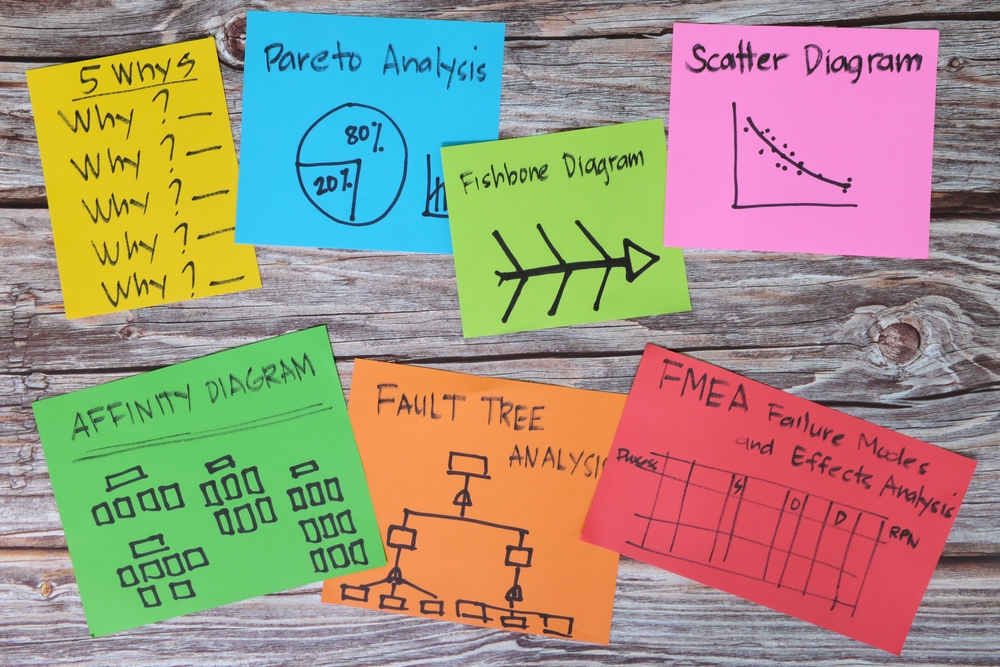
| HAZOP (Hazard and Operability Study) | A systematic, guideword-based evaluation of deviations from design intent. Commonly used for complex processes with detailed P&IDs. |
| What-If Analysis | A team-based evaluation that uses structured questions to identify possible failures, their consequences, and existing safeguards. |
| What-If/Checklist | Combines scenario-based questions with a structured checklist for more comprehensive hazard identification. |
| FMEA (Failure Modes and Effects Analysis) | Examines individual equipment or component failure modes and their potential effects on the process. |
| Fault Tree Analysis (FTA) | Uses a logical, top-down approach to examine combinations of failures that could lead to a particular undesired event. |
| LOPA (Layer of Protection Analysis) | A semi-quantitative risk assessment technique that can supplement a PHA by evaluating whether independent protection layers sufficiently reduce risk. |
Process Hazard Analysis Across Industries
Stonehouse provides Process Hazard Analysis consulting services for a broad range of industrial facilities, from small-scale operations and pilot plants to complex manufacturing processes.
Our experience includes chemical and specialty chemical manufacturing, pharmaceutical production, food and beverage processing, metals manufacturing, and other industrial operations involving hazardous chemicals, combustible materials, or potentially dangerous process conditions.
Our specialists tailor each assessment to the hazards, equipment, and operating practices of the facility, selecting appropriate methodologies to deliver a thorough and practical evaluation of process risk.

Frequently Asked Questions About Process Hazard Analysis (PHA)
When is a Process Hazard Analysis required?
A Process Hazard Analysis is required for processes covered by OSHA’s Process Safety Management (PSM) standard, 29 CFR 1910.119. PHAs may also be performed voluntarily or to meet other applicable regulations, industry standards, or corporate process safety requirements. Even when not explicitly required, a PHA can help organizations identify and manage significant process hazards.
How often does a PHA need to be updated?
Under OSHA’s PSM standard, covered processes must have their PHAs updated and revalidated at least every five years. A PHA may also need to be reviewed or supplemented following significant process changes, equipment modifications, or other changes that introduce new hazards or affect existing safeguards. Facilities should evaluate the need for additional analysis through their Management of Change (MOC) procedures.
What is the difference between a PHA and a HAZOP?
A Process Hazard Analysis (PHA) is a broad term describing the systematic evaluation of process hazards. A Hazard and Operability Study (HAZOP) is one specific methodology used to conduct a PHA. HAZOP studies employ a structured, guideword-based approach to identify deviations from intended operating conditions, while other PHA methodologies, such as What-If and FMEA, use different techniques to evaluate hazards.
What information is needed to conduct a PHA?
A PHA typically requires process safety information such as process flow diagrams, piping and instrumentation diagrams (P&IDs), chemical hazard information, equipment specifications, operating procedures, and details of existing safety systems. Previous PHA reports, incident records, and Management of Change documentation may also be relevant. The specific information required depends on the complexity of the process and the selected methodology.
How long does a Process Hazard Analysis take?
The time required to complete a PHA depends on the complexity of the process, the number of systems or process nodes being evaluated, the selected methodology, and the availability of process safety information. A relatively simple process may require a short series of facilitated sessions, while a complex facility may require several days or weeks of evaluation. Stonehouse develops project-specific estimates based on the scope and characteristics of each process.
Who should participate in a Process Hazard Analysis?
An effective PHA is conducted by a multidisciplinary team with relevant expertise in process engineering, operations, maintenance, and safety. For OSHA PSM-covered processes, the team must include at least one individual with experience and knowledge specific to the process and at least one member knowledgeable in the methodology being used. Stonehouse can provide experienced facilitators and technical specialists to support the study.
Can a Process Hazard Analysis be performed remotely?
In some cases, yes. Some PHAs can be facilitated remotely through collaborative virtual sessions, particularly when accurate process documentation is available and the appropriate personnel can participate. On-site evaluations may be preferable for complex processes, facilities with limited documentation, or assessments requiring direct observation of equipment and operations. Stonehouse can help determine the most appropriate approach for each project.
What is included in a PHA report?
A PHA report generally documents the assessment scope, methodology, participants, process information reviewed, identified hazard scenarios, potential consequences, existing safeguards, and recommendations for risk reduction. Depending on the methodology, the report may also include HAZOP or What-If worksheets, risk rankings, and supporting documentation. The final deliverables are tailored to the assessment scope and the client’s requirements.
Get in touch
Whether you are looking to get an expert to conduct a HAZOP analysis study, fault tree analyses, or what-if study, our process safety specialists are here to help. Stonehouse understands that the quality of a PHA study is dependent on the knowledge, expertise, and experience of the individuals leading and participating in the PHA study. That’s why we work arduously to ensure study quality.
* indicates required fields