







Electrostatic Hazard Assessment Services
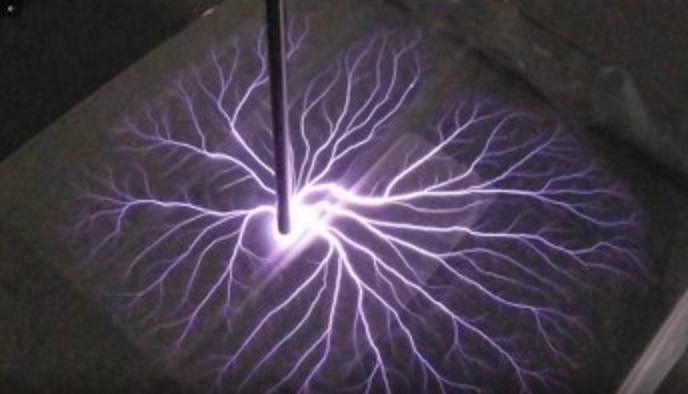
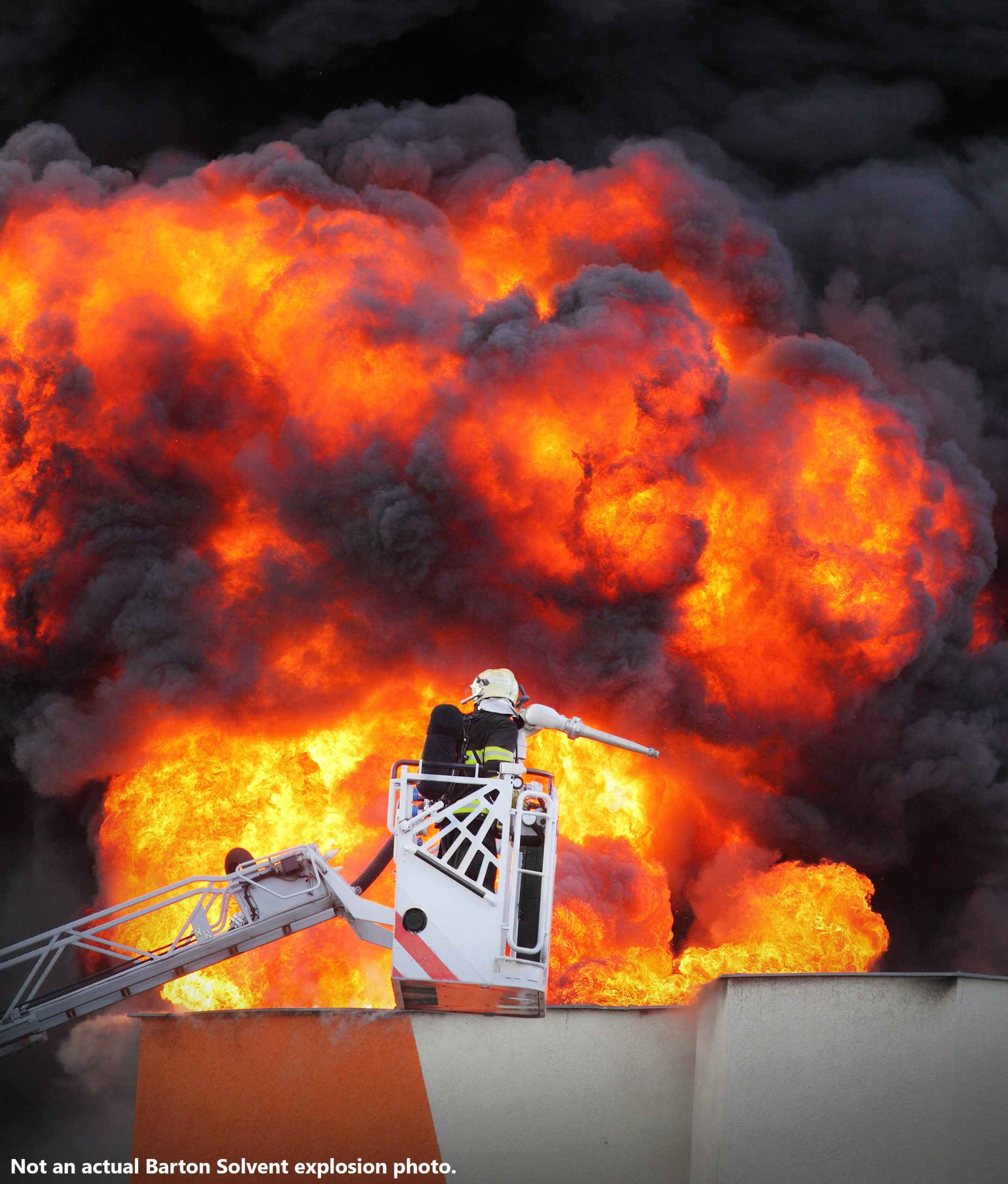
Static electricity is a frequently overlooked ignition source in industrial processes involving flammable liquids, gases, vapors, and combustible dusts. Without appropriate safeguards, the generation and accumulation of electrostatic charge can lead to hazardous discharges capable of causing fires and explosions.
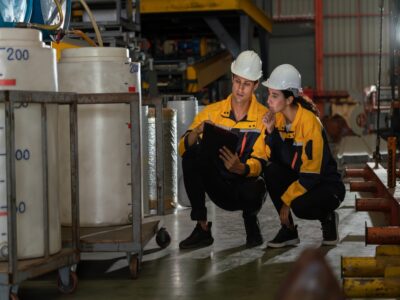
Stonehouse Process Safety specializes in identifying, evaluating, and controlling electrostatic hazards across a wide range of industrial operations. Our internationally recognized specialists combine extensive practical experience, advanced electrostatic testing capabilities, and sound engineering judgment to deliver effective, cost-conscious solutions for managing static electricity hazards.
What is an Electrostatic Hazard Assessment?
An Electrostatic Hazard Assessment (EHA) is a specialized process safety evaluation that identifies potential ignition hazards arising from the generation, accumulation, and discharge of static electricity.
The assessment examines how electrostatic charge is generated during industrial operations, whether hazardous discharges may occur, and whether those discharges could ignite nearby flammable atmospheres. Based on these findings, practical safeguards are recommended to reduce the risk of fire and explosion.
Stonehouse conducts electrostatic hazard assessments with consideration of applicable industry standards and recognized engineering practices, including NFPA 77, Recommended Practice on Static Electricity, and IEC TS 60079-32-1, Explosive Atmospheres – Electrostatic Hazards, Guidance.
Our specialists also consider relevant requirements of NFPA 660 for combustible dust hazards and other applicable process safety standards.
By combining established technical guidance with specialized electrostatic expertise, Stonehouse helps clients identify appropriate safeguards for their specific materials, equipment, and operating conditions.
When Is an Electrostatic Hazard Assessment Needed?
Electrostatic hazards can arise in a wide range of industrial operations, particularly where flammable atmospheres and charge-generating processes coexist. While some hazards are readily apparent, others may be difficult to identify without specialized electrostatics expertise.
An Electrostatic Hazard Assessment may be appropriate when:
- Handling or transferring flammable liquids, gases, or combustible powders.
- Using nonconductive materials, containers, liners, or flexible intermediate bulk containers (FIBCs).
- Operating equipment involving mixing, filtration, milling, or pneumatic conveying.
- Evaluating grounding, bonding, or other static electricity control measures.
- Introducing new equipment, materials, or processing conditions that may affect electrostatic hazards.
- Investigating suspected electrostatic discharges, unexpected sparks, or unexplained ignition incidents.
Stonehouse’s specialists can help determine whether electrostatic hazards are adequately controlled and identify practical measures to reduce ignition risk.
Our Electrostatic Hazard Assessment Services
Stonehouse provides specialized electrostatic consulting services to identify ignition hazards, evaluate existing safeguards, and develop practical solutions for controlling static electricity in industrial processes.
Our capabilities include:
Electrostatic Ignition Hazard Assessments
Comprehensive evaluations of electrostatic charge generation, accumulation, and discharge mechanisms to determine whether hazardous ignition sources may be present in processes involving flammable gases, vapors, liquids, or combustible dusts.
Grounding and Bonding Evaluations
Assessment of equipment grounding, bonding practices, and electrical continuity to identify conditions that may allow hazardous electrostatic charge to accumulate. Our specialists evaluate existing safeguards and recommend improvements consistent with applicable industry standards.
Powder Handling and Processing
Evaluation of electrostatic hazards associated with powder transfer, mixing, blending, milling, pneumatic conveying, and other operations involving combustible particulate materials. Assessments consider charge generation, material properties, equipment configuration, and potential ignition sources.
Flammable Liquid Handling and Transfer
Identification and evaluation of electrostatic ignition hazards arising during liquid transfer, filtration, mixing, tank filling, and other operations involving flammable or combustible liquids. Our specialists recommend appropriate measures to control charge accumulation and hazardous discharges.
Flexible Intermediate Bulk Containers (FIBCs) and Packaging
Specialized assessments of electrostatic hazards associated with bulk bags, liners, plastic containers, and other packaging materials. Our team evaluates material properties, handling practices, and the suitability of containers for use in potentially flammable atmospheres.
On-Site Electrostatic Measurements and Laboratory Testing
Specialized electrostatic measurements and laboratory testing to evaluate the electrical properties of materials, equipment, and protective systems. These capabilities help characterize charge accumulation and dissipation behavior, evaluate ignition sensitivity, and support technically sound hazard assessments.
Electrostatic Incident Investigation and Technical Support
Investigation of fires, explosions, and processing incidents potentially involving static electricity, supported by specialist technical analysis, laboratory testing, and expert witness services where appropriate.
Understanding Electrostatic Hazards
Static electricity is commonly generated during routine industrial operations, including powder conveying, mixing, liquid transfer, filtration, and the handling of nonconductive materials. When electrostatic charge accumulates on equipment, materials, or personnel, hazardous discharges may occur.
In environments containing flammable gases, vapors, or combustible dust clouds, certain electrostatic discharges can provide sufficient energy to cause ignition. The level of risk depends on several factors, including the materials being handled, process conditions, charge accumulation mechanisms, and the ignition sensitivity of the surrounding atmosphere.
An effective electrostatic hazard assessment considers these factors collectively to determine where hazardous discharges may occur and which safeguards are necessary to control the associated risks.
Our Electrostatic Hazard Assessment Approach
Stonehouse takes a systematic, practical approach to identifying and controlling electrostatic hazards, tailored to each facility’s materials, processes, and operating conditions.
1. Review Process Information: Our specialists review the materials handled, equipment configurations, operating procedures, and existing safeguards to identify potential sources of electrostatic charge generation and accumulation.
2. Evaluate Electrostatic Hazards: Through technical analysis, on-site evaluations, and specialized measurements or laboratory testing where appropriate, we assess potential discharge mechanisms and the likelihood of ignition.
3. Identify Risk-Reduction Measures: Based on the assessment findings, we develop practical recommendations for controlling electrostatic hazards, including improvements to grounding, bonding, material selection, equipment design, and operating procedures.
4. Document Findings and Recommendations: Our team provides a technical report outlining the identified hazards, assessment findings, and recommended safeguards, with additional support available to assist with implementation.
Why Choose Stonehouse for Electrostatic Hazard Assessment?
Stonehouse Process Safety brings highly specialized expertise in electrostatic hazard identification, evaluation, and control. Having conducted hundreds of electrostatic hazard assessments worldwide, our team understands the complex ways static electricity can create ignition hazards in industrial processes.
Our capabilities extend beyond conventional process safety consulting, combining advanced electrostatics expertise with specialized laboratory testing, on-site measurements, and practical engineering solutions.
- Specialized Electrostatics Expertise: Extensive experience evaluating static charge generation, accumulation, and discharge mechanisms in complex industrial processes.
- Global Industry Experience: Hundreds of electrostatic hazard assessments conducted across diverse industries, processes, and operating environments.
- Advanced Laboratory Capabilities: Specialized electrostatic and ignition sensitivity testing to support hazard evaluations with material-specific data.
- On-Site Measurements and Evaluations: Practical assessment of electrostatic conditions, equipment, materials, and existing safeguards.
- Comprehensive Process Safety Knowledge: Expertise in combustible dusts, flammable liquids, ignition hazards, and explosion prevention, allowing electrostatic risks to be evaluated within the broader process safety context.
- Practical Risk-Reduction Recommendations: Technically sound, cost-effective solutions tailored to each facility’s equipment, operations, and identified hazards.
Electrostatic hazards can be difficult to recognize and are sometimes overlooked in conventional Process Hazard Analyses (PHAs) and Dust Hazards Analyses (DHAs). Stonehouse’s focused expertise allows us to identify these less obvious risks and develop effective measures for their control.

Speak With an Electrostatics Specialist
Whether you’re evaluating a potential electrostatic ignition hazard, reviewing existing safeguards, or investigating an unexplained incident, Stonehouse Process Safety can help.
Contact our team to discuss your process, identify the appropriate assessment approach, and request a customized proposal.
We also offer virtual process safety training courses such as Exploding dusts, Explosions, Static Electricity and HAC (Hazardous Area Classification). Find out more here.
* indicates required fields