





Search
Hazardous Area Classification: Is Your Facility Properly Protected?
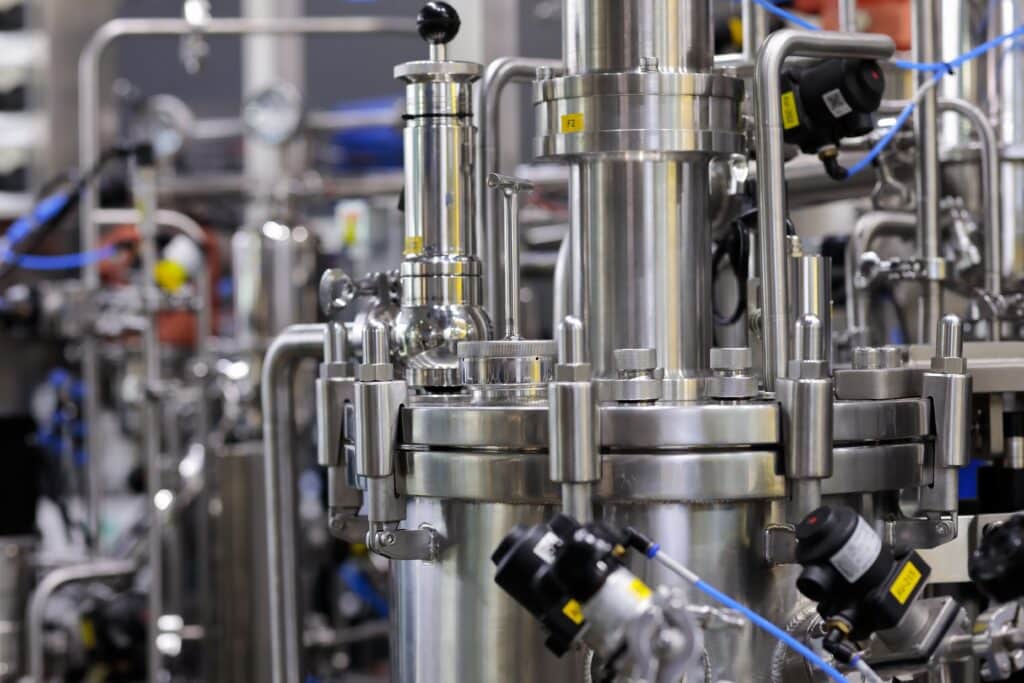
Understanding hazardous locations is an essential step in preventing industrial fires and explosions. Is your facility taking the right precautions?
In industrial environments where flammable gases, vapors, or combustible dusts are present, even a small ignition source can have serious consequences. Electrical equipment, motors, lighting, and other everyday components can become potential ignition hazards if they are not properly selected for the environment in which they operate.
That’s where Hazardous Area Classification (HAC) comes in.
A properly conducted HAC helps facilities identify areas where potentially explosive atmospheres may develop and determine the appropriate electrical equipment and protection measures needed to minimize ignition risks.
But how do you know whether your facility needs an HAC, and what does the process entail?
What Is Hazardous Area Classification?
Hazardous Area Classification is a systematic approach to identifying and evaluating locations where flammable gases, vapors, or combustible dusts may create a fire or explosion hazard.
The classification process considers factors like the properties of the materials handled, potential release sources, ventilation conditions, and the likelihood that a hazardous atmosphere could develop.
Using recognized industry standards, including NFPA 497, NFPA 499, and the National Electrical Code (NEC), facilities can determine the appropriate classification for different areas and establish requirements for electrical equipment and installations.
These classifications help ensure that equipment installed in potentially-hazardous environments is suitable for the conditions it may encounter.
Why Is Hazardous Area Classification Important?
One of the most overlooked aspects of industrial fire and explosion prevention is recognizing that equipment considered safe in an ordinary environment may introduce ignition risks in a hazardous location.
For example, an electrical motor that operates safely in a typical manufacturing area may not be suitable for an environment in which flammable vapors or combustible dusts could accumulate.
Without proper area classification, facilities may unknowingly introduce ignition sources into locations where flammable atmospheres can develop.
An effective HAC helps facilities:
- Reduce fire and explosion risks: Identify hazardous locations and support the selection of electrical equipment designed for those conditions.
- Support regulatory compliance: Address applicable electrical safety requirements, including OSHA regulations and the NEC.
- Improve equipment selection: Determine where appropriately rated electrical equipment, wiring methods, and protection techniques are necessary.
- Avoid unnecessary costs: Apply classification requirements based on actual conditions rather than unnecessarily specifying specialized equipment throughout an entire facility.
- Support safer facility modifications: Provide a technical basis for equipment upgrades, process changes, and future expansions.
Importantly, HAC is not simply a compliance exercise. It is a practical tool for making informed engineering decisions that protect personnel, equipment, and operations.
Does Your Facility Need a Hazardous Area Classification?
Hazardous Area Classification may be necessary wherever flammable gases, vapors, or combustible dusts are produced, processed, handled, or stored under conditions that could create an ignitable atmosphere.
Common applications include chemical processing facilities, pharmaceutical manufacturing, food and agricultural processing, powder handling operations, coating and solvent applications, and other industrial processes involving potentially hazardous materials.
Your facility may benefit from an HAC if:
- You handle flammable liquids, gases, vapors, or combustible dusts.
- You are installing or upgrading electrical equipment in process areas.
- You are designing a new facility, production line, or material handling system.
- Your processes, materials, or ventilation conditions have changed.
- Your existing hazardous area classification drawings are outdated, incomplete, or unavailable.
- You are evaluating electrical safety requirements as part of a broader process safety assessment.
Even facilities with existing classifications should consider whether those classifications accurately reflect current operating conditions.
Changes to equipment, materials, processes, or ventilation can affect the extent and nature of hazardous locations.
Understanding the Two Classification Systems
In the United States, hazardous locations are commonly evaluated using the Class/Division or Zone classification systems.
The Class/Division system categorizes hazardous locations based on the type of material present and the likelihood of hazardous conditions occurring.
The Zone system provides an alternative approach that considers the frequency and duration of potentially explosive atmospheres.
Understanding these systems is important for engineers, safety professionals, and facility personnel responsible for selecting equipment, evaluating installations, and maintaining safe operations.
However, classification is not always straightforward. Material characteristics, operating conditions, potential release scenarios, and ventilation effectiveness can all influence the final determination.
That’s why a working understanding of HAC principles is so valuable.
Learn Hazardous Area Classification at Your Own Pace: Introducing Stonehouse’s 5-Hour, On-Demand HAC Training
Does your team understand how hazardous areas are identified, classified, and managed?
Whether you’re responsible for facility safety, engineering design, equipment selection, or regulatory compliance, understanding the fundamentals of Hazardous Area Classification is essential.
Stonehouse Process Safety is pleased to introduce our new 5-hour, on-demand Hazardous Area Classification (HAC) training course, designed to provide practical knowledge of hazardous locations and the principles used to classify them.
This comprehensive, self-paced course takes participants beyond basic definitions to explore how hazardous area classifications are determined and applied in real industrial environments.
What You’ll Learn
Through practical examples and real-world applications, participants will gain an understanding of:
- HAC fundamentals: Why hazardous locations are classified and how classification supports fire and explosion prevention.
- Material hazard evaluation: How the properties of flammable gases, vapors, and combustible dusts influence classification decisions.
- Release sources and ventilation: How potential releases, operating conditions, and ventilation affect hazardous area classifications.
- Industry standards: The application of NFPA 497, NFPA 499, and the NEC.
- Classification methodologies: How to understand and apply the Class/Division and Zone systems.
- HAC drawings: How to interpret hazardous area classification drawings and identify classified locations.
- Electrical equipment selection: The principles behind selecting suitable electrical equipment and protection methods for hazardous environments.
Who Should Take This Course?
This training is ideal for:
- Process and plant engineers
- EHS and process safety professionals
- Electrical engineers and designers
- Facility managers and operators
- Maintenance and reliability personnel
- Anyone involved in hazardous area classification, equipment selection, or industrial fire and explosion prevention
Practical Knowledge. Flexible Learning.
With 5 hours of on-demand instruction, participants can develop their HAC knowledge at their own pace, making it easier to fit professional development into busy schedules.
Whether you’re new to hazardous area classification or looking to strengthen your understanding of industry practices, this course provides a practical foundation for making more informed decisions about hazardous locations.
Understand the hazards. Apply the standards. Make safer decisions.
Explore Stonehouse’s HAC Training Course

Need Assistance with Your Facility’s Hazardous Area Classification?
Training provides the knowledge to better understand hazardous locations, but applying classification methodologies to a specific facility requires careful evaluation of materials, equipment, and operating conditions.
At Stonehouse Process Safety, our experienced process safety specialists help facilities evaluate hazardous locations, develop area classifications, and identify appropriate electrical equipment requirements in accordance with applicable standards.
Whether you’re developing an HAC for a new installation, reviewing existing classifications, or strengthening your team’s technical knowledge, we’re here to help.
Contact Stonehouse for HAC consulting today.

Get in touch
To learn more about our expertise and services in dust explosion prevention & mitigation, call us at +1 609 455 0001 or email us at [email protected] today.
We also offer tailored virtual and in-company process safety training programs on Dust Explosions, Static Electricity and HAC (Hazardous Area Classification) and more. Find further information here.